
Sustainability is more than a trend — it’s a necessity for businesses, facilities, and communities aiming to reduce environmental impact while maintaining cleanliness and hygiene. With growing awareness around water conservation and chemical reduction, eco-friendly cleaning solutions have become essential. This article explores top sustainable cleaning approaches, with an in-depth focus on the best waterless urinal systems available through Zerodor. We’ll cover benefits, practical applications, maintenance tips, and answer frequently asked questions to help you make informed choices that align with green building goals and responsible facility management.
Table of Contents
ToggleWhy Eco-Friendly Cleaning Solutions Matter
Eco-friendly cleaning solutions contribute to healthier environments in multiple ways:
Water Conservation: Traditional cleaning and plumbing systems can use excessive amounts of water. Switching to waterless urinal systems helps save thousands of liters of water annually.
Reduced Chemical Exposure: Harsh detergents and sanitizers can harm indoor air quality and disrupt local waterways. Eco-friendly products are biodegradable and less toxic.
Lower Operational Costs: Sustainable cleaning systems often reduce utility bills and maintenance costs over time.
Improved Public Perception: Businesses that embrace green cleaning demonstrate corporate responsibility and environmental stewardship.
Understanding Waterless Urinal Systems
Waterless urinal systems are advanced plumbing solutions designed to operate without the traditional flush of water. They incorporate innovative trap technologies that seal odors and prevent sewer gases from entering restroom spaces.
How Waterless Urinal Systems Work
Instead of flushing with water, these systems use a specialized trap or sealant that allows liquid waste to pass into the drain while blocking odors. The trap may contain a biodegradable sealant liquid or a mechanical barrier that lets urine flow downward and prevents gases from rising up.
Key Components
Sealant Liquid or Membrane: Acts as a barrier between the drain and restroom air.
Cartridge or Trap Insert: Captures solid particles and ensures smooth flow.
Urinal Fixture: Designed to minimize splash and maximize drainage efficiency.
Benefits of Waterless Urinal Systems
Switching to waterless urinals offers a host of advantages:
1. Massive Water Savings
Waterless urinal systems eliminate the need for flushing, saving an average of up to 100,000 liters of water per unit annually depending on usage patterns. This makes them ideal for high-traffic buildings, commercial properties, and public facilities.
2. Reduced Wastewater
By eliminating flush water, less wastewater enters municipal sewage systems. This eases the burden on treatment plants and reduces environmental discharge.
3. Lower Cleaning Costs
Eco-friendly cleaning combined with waterless plumbing systems reduces the frequency and volume of cleaning agents required. Facilities experience less wear and tear on fixtures and surfaces.
4. Easy Maintenance
With fewer moving parts and no flush mechanisms, waterless urinals require less maintenance and have fewer components that can malfunction.
5. Improved Hygiene
Modern waterless urinal systems are designed to minimize splashing and bacterial growth. When used with green cleaning products, restrooms remain sanitary without harsh chemical odors.
Eco-Friendly Cleaning Solutions You Can Pair with Waterless Systems
To maximize sustainability, pair waterless urinals with green cleaning products and techniques:
Biodegradable Cleaning Agents: Use detergents and sanitizers that break down naturally without harming aquatic life.
Microfiber Cloths: These trap dirt efficiently using less product and water.
Green Floor Cleaners: Choose plant-based formulas for tiled surfaces and high-traffic floors.
Refillable Spray Systems: Reduce single-use plastic waste by using refillable containers for cleaning solutions.
Automatic Air Purification: Install systems that use natural air filtration without chemical sprays.
Implementation Tips for Facilities
Transitioning to eco-friendly systems requires planning:
-
Assessment: Evaluate current water usage and cleaning practices. Identify key areas where waterless solutions can provide the greatest impact.
-
Selection: Choose the right waterless urinal models and green cleaning products suitable for your facility’s traffic and maintenance capabilities.
-
Installation: Engage qualified technicians for proper fixture installation and drainage integration.
-
Training: Educate janitorial staff on cleaning schedules, proper use of eco-friendly products, and maintenance of waterless systems.
-
Monitoring: Track water usage and maintenance costs to measure savings and performance over time.
Case Studies: Eco-Friendly Cleaning in Action
Corporate Office Building
A large corporate campus that replaced traditional flush urinals with waterless systems reported major reductions in water consumption — often cutting restroom water usage by more than 70% within the first year. Combined with green cleaning routines, indoor air quality improved, and employees noted a fresher restroom environment.
Educational Institution
A university facility integrated waterless urinals across several restrooms and adopted plant-based cleaners for all hard surfaces. The result was significant cost savings on water and cleaning supplies, plus a measurable drop in chemical VOCs within indoor spaces.
Choosing the Best Waterless Urinal System
When selecting waterless urinals, consider the following factors:
Durability: Look for fixtures built to withstand heavy use and easy access for servicing.
Seal Technology: High-quality seals ensure odor control and reduce the need for frequent cleaning.
Ease of Maintenance: Systems that minimize clogged cartridges or parts will save labor hours.
Compatibility with Drainage: Ensure your plumbing configuration can support waterless systems without retrofit issues.
Warranty and Support: Reliable after-sales support ensures long-term performance.
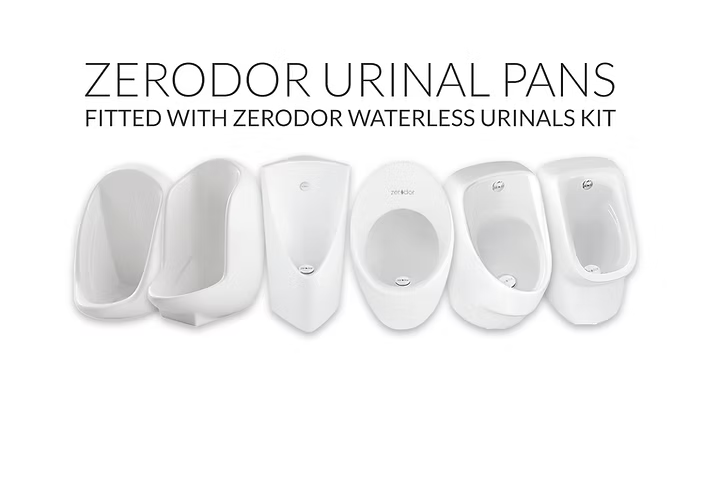
Zerodor provides a range of eco-friendly waterless urinal systems designed for diverse facility needs, from commercial properties to high-usage public restrooms.
Top Maintenance Practices for Eco-Friendly Systems
To keep both waterless urinals and your cleaning regimen at peak performance:
Routine Cleaning: Use eco-friendly cleansers regularly to maintain hygiene.
Sealant Replacement: Change sealant liquid or trap cartridges as per manufacturer recommendations.
Drain Care: Use green drain maintenance solutions to prevent buildup without toxic chemicals.
Visual Checks: Inspect fixtures weekly to catch issues early and avoid disruption.
Staff Awareness: Reinforce proper use — avoid disposing of non-urine waste in urinals to prevent blockages.
Frequently Asked Questions (FAQs)
Q: Are waterless urinals hygienic?
A: Yes! Modern waterless urinal systems are designed with odor-blocking seals and smooth surfaces that reduce bacterial growth. When paired with eco-friendly cleaning products, they maintain excellent hygiene.
Q: How much water can a facility save with waterless urinals?
A: Facilities can save tens of thousands to hundreds of thousands of liters of water annually per unit, depending on restroom usage patterns.
Q: Do waterless urinals require special plumbing?
A: Waterless urinals often need proper drain connection and may require retrofitting of existing plumbing. A professional installer should evaluate compatibility.
Q: Are eco-friendly cleaning products as effective as traditional cleaners?
A: Yes. Many biodegradable and plant-based products provide strong cleaning power without the harmful environmental and health impacts of harsh chemicals.
Q: How often should seals or cartridges be replaced?
A: Replacement frequency varies by usage and model. Typically, seals or cartridges are replaced quarterly, semi-annually, or as per manufacturer instructions.
Q: Can waterless systems be used in all climates?
A: Yes. Waterless urinal systems are designed for indoor use across diverse climates. Outdoor installation may require additional considerations to prevent freezing.
Q: Will switching to eco-friendly cleaning solutions impact costs?
A: While some green products may have a higher upfront cost, facilities often save money in the long run through reduced water bills and maintenance costs.
Eco-Friendly Cleaning Checklist
Use this checklist to ensure your facility stays green and clean:
✔ Replace traditional urinals with waterless systems
✔ Implement biodegradable cleaning agents
✔ Train maintenance staff in sustainable practices
✔ Set up monitoring to track water and chemical savings
✔ Promote awareness among tenants or employees
Conclusion
Eco-friendly cleaning solutions and waterless urinal systems offer a powerful combination for facilities looking to reduce environmental impact, save costs, and promote healthier indoor environments. By choosing sustainable products like those offered by Zerodor and adopting green cleaning practices, businesses can make meaningful contributions to conservation goals and operational efficiency without sacrificing cleanliness. From water savings and reduced chemical use to improved air quality and public perception, the benefits are wide-ranging and impactful.
Disclaimer
This article is for informational purposes only. Individual results and savings may vary based on facility size, usage patterns, and local conditions. Always consult with a qualified professional before installing new plumbing fixtures or altering existing systems. Zerodor is not responsible for improper installation or misuse of products.