

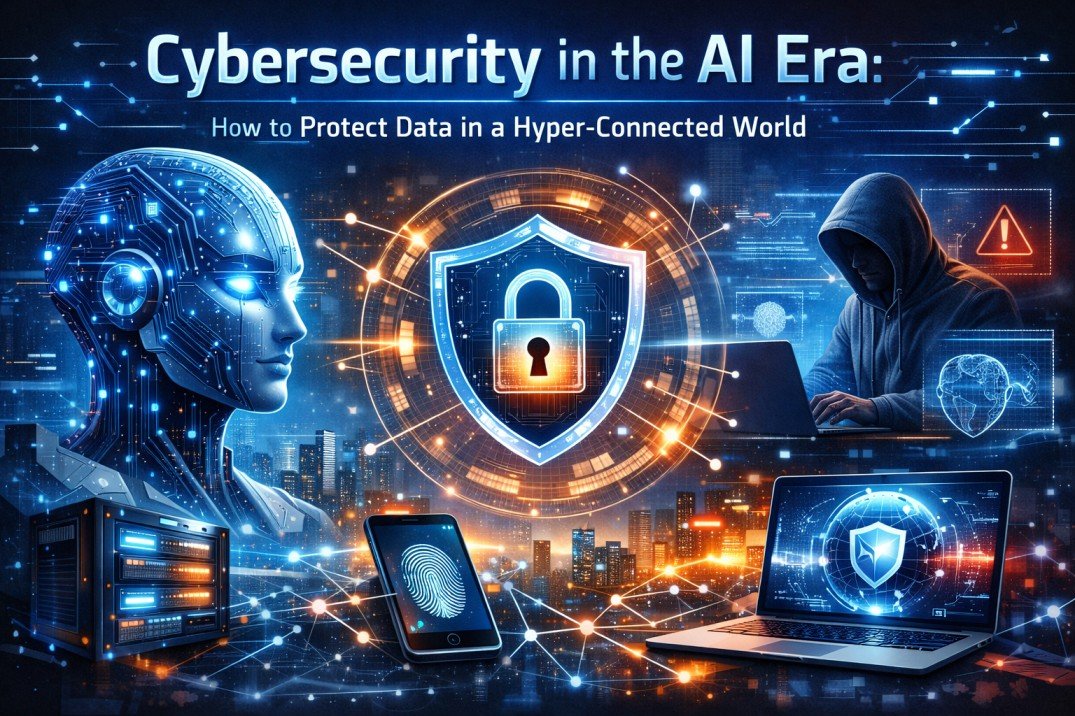
Artificial Intelligence (AI) has transformed the way organizations operate, making processes more efficient, predictive, and data-driven. However, the integration of AI into business operations has created new avenues for attack. Cybercriminals are leveraging AI to automate phishing campaigns, identify network vulnerabilities, and even bypass traditional security systems. On the other hand, AI also enhances cybersecurity defenses through real-time threat detection, behavior analysis, and automated response systems.
The Rise of Hyper-Connected Systems
Modern enterprises are increasingly interconnected. Cloud computing, Internet of Things (IoT) devices, and global supply chains mean data flows faster than ever. While hyper-connectivity enables seamless operations, it also magnifies risk. A single security breach can cascade across networks, exposing sensitive information and disrupting business continuity. Understanding this interconnectedness is the first step toward building robust cybersecurity strategies.
Common AI-Powered Threats
- AI-Enhanced Phishing: Attackers utilize AI to craft highly personalized messages that closely mimic genuine communications, thereby increasing the success rate of phishing attacks.
- Automated Exploits: Machine learning algorithms enable cybercriminals to scan networks for vulnerabilities and exploit them more quickly than human hackers can.
- Deepfakes and Identity Fraud: AI-generated deepfakes can be used to impersonate executives, manipulate stock prices, or commit fraud.
- Adaptive Malware: AI-driven malware can modify its behavior to evade detection by traditional antivirus programs.
AI in Cyber Defense
Organizations are leveraging AI to strengthen defenses in several ways:
- Predictive Threat Intelligence: Machine learning models analyze historical attacks to predict future threats.
- Anomaly Detection: AI monitors network traffic and flags unusual patterns that could indicate breaches.
- Automated Response Systems: AI can take immediate action against threats, such as isolating infected systems or blocking suspicious IP addresses, reducing the response time from hours to minutes.
Strategies for Protecting Data in a Hyper-Connected World
Implementing Zero Trust Architecture
Every access request is verified through strict authentication and authorization protocols. In the AI era, Zero Trust is crucial because AI systems often interact with multiple services and devices across networks. By enforcing verification at every level, organizations can prevent lateral movement in case of a breach.
Data Encryption and Privacy Measures
Encrypting sensitive data at rest and in transit is essential. AI systems process vast amounts of personal and business data, making encryption a vital defense mechanism. Additionally, privacy frameworks such as GDPR, CCPA, and ISO 27701 compliance guide organizations in protecting data and avoiding regulatory penalties.
Leveraging AI for Threat Hunting
Threat hunting involves proactively searching for vulnerabilities or hidden threats within a network. AI accelerates this process by scanning massive datasets, identifying suspicious activity, and even suggesting remediation actions. Combining human expertise with AI capabilities ensures faster and more accurate threat detection.
Employee Training and Awareness
Organizations must train their employees to recognize AI-powered phishing attempts, secure passwords, and adhere to best practices for data handling. Simulated attacks and continuous awareness programs can drastically reduce risk exposure.
Third-Party Risk Management
In a hyper-connected ecosystem, third-party vendors can be an entry point for cyberattacks. AI tools can monitor supplier networks for vulnerabilities, track patching practices, and assess overall security posture, reducing potential exposure from external partners.
Future-Proofing Cybersecurity in the AI Era
Predicting the Next Wave of Threats
The cybersecurity landscape is continuously evolving. AI will likely enable attackers to develop more sophisticated, adaptive methods. Predictive modeling and threat intelligence sharing will become critical to staying ahead of potential attacks.
Ethical AI and Security
Organizations must ensure that AI-driven monitoring respects privacy laws and avoids biases. Transparent AI practices build trust with customers while enhancing security.
Integrating AI with Traditional Security Tools
AI is not a replacement but a complement to traditional cybersecurity solutions. Combining firewalls, intrusion detection systems, and antivirus software with AI-powered analytics creates a layered security approach. This multi-layered approach ensures that even if one system is bypassed, other defenses remain active.
Continuous Monitoring and Incident Response
Cybersecurity is not a one-time effort. Continuous monitoring using AI enables the rapid detection of anomalies, while automated incident response minimizes the damage. Organizations should establish clear response protocols and conduct regular simulations to test readiness.
The Role of Governments and Regulations
Governments are increasingly involved in regulating AI and cybersecurity practices. National cybersecurity strategies and legislation, such as the U.S. Cybersecurity Executive Orders or the EU AI Act, guide organizations in implementing secure AI systems while holding them accountable for breaches.
Building a Resilient Cybersecurity Culture
Ultimately, protecting data in a hyper-connected world requires a culture of security. Leadership commitment, employee engagement, and continuous investment in AI-driven tools form the foundation of a resilient cybersecurity ecosystem. Organizations that embrace this culture can leverage AI’s power while minimizing risks.
Conclusion
The AI era presents both unprecedented opportunities and challenges in cybersecurity. Hyper-connected systems amplify risk, but AI also provides advanced tools for defense, prediction, and rapid response. By implementing strong encryption, Zero Trust principles, employee training, and AI-driven monitoring, organizations can protect sensitive data and maintain trust in a digital-first world. Future-proofing cybersecurity requires constant vigilance, ethical AI practices, and collaboration across industries and governments. In this landscape, security is not just a technical requirement; it’s a strategic advantage.